
Residential window tinting can help address hot spots, harsh glare, UV exposure, and privacy concerns without replacing your home’s windows. The right window film depends on the glass, the room, the direction of sunlight, and the result you want—not simply on choosing the darkest-looking option. A professional assessment helps match a film to your home while preserving the balance of daylight and views that matter to you.
Request a free estimate for your home
What can residential window tinting change in a Chicagoland home?
Answer: Residential window film can help manage solar heat gain, reduce glare, block 99% of harmful UV rays, and add privacy or glass-retention benefits, depending on the film category selected. These are related but different goals, so start by identifying what feels wrong in each room.
A west-facing family room may become uncomfortable late in the day, while a bright home office may have distracting screen glare. A bedroom window may need more privacy, and a sunny room may show fading on flooring, furnishings, or décor. Film can be considered for each of these conditions, but one product should not be assumed to solve every problem in every window.
Solar-control film is designed to manage the sun’s effects, including heat and glare. Decorative and privacy films change how a window looks or how clearly people can see through it. Safety and security film is intended to help hold broken glass together. Some films can serve more than one purpose, but the exact performance depends on the product and the existing glass.
It helps to frame the decision as a series of room-specific questions. Is the goal to make a seat by a window more comfortable, reduce reflections on a monitor, soften a street-facing view, or add support if glass breaks? Those answers guide the discussion more clearly than asking for a general dark tint. A home can have separate priorities in different rooms, and the same visual treatment may not suit every elevation.
For homeowners comparing home-wide options, Sullivan’s residential window film guide provides additional context. You can also review the company’s window film services to see the range of applications available for homes and other properties.
How can window film help with heat and glare?
Answer: Solar-control window film can reduce the amount of solar energy and visible light passing through a window, helping manage heat and glare. The appropriate choice depends on the room, glass, exposure, and how much natural light you want to retain.
Look at when discomfort occurs. Does a room heat up in the afternoon, or is glare a problem throughout the day? Notice which windows are involved and whether the issue affects a seating area, television, work surface, or the whole room. These observations are more useful than selecting film by appearance alone.
- For afternoon heat: Identify the windows receiving direct sun during the hottest part of the day. Solar heat gain control may be a priority.
- For screen or television glare: Explain where reflections occur and when. A film recommendation should consider glare reduction alongside visible light and the view outside.
- For uneven room comfort: Compare the problem windows with shaded or north-facing windows. A home may benefit from different film choices on different exposures.
- For a bright room you want to keep bright: Discuss how much daylight you want to preserve. A darker film is not automatically the best answer.
Make the observations concrete. For a family room, note whether discomfort starts when sunlight reaches the sofa or whether the television becomes hard to watch even earlier. For a home office, note the time when screen reflections appear and whether repositioning the monitor solves only part of the problem. For a dining area, consider whether the whole room feels warm or if the issue is concentrated near a particular pane. These distinctions help define the actual performance goal.
Window film is not identical across categories or products. A film selected primarily for solar control may look or perform differently from a decorative privacy film. Existing glass also matters, so a recommendation should account for the window construction rather than treating every pane as interchangeable. It is reasonable to ask how the proposed option balances heat rejection with daylight, outward visibility, and the appearance of the glass from both sides.
Berkeley Lab’s Windows & Daylighting resources discuss low-emissivity coatings and window performance. That material offers helpful background on how window technologies relate to heat flow, but it does not determine which film is appropriate for a particular house. A project assessment should connect the goal to the actual glass and room conditions.
How does UV protection relate to fading?
Answer: Window film can block 99% of harmful UV rays, an important step in reducing one contributor to fading. It cannot promise that furnishings will never fade, because fading can also be affected by visible light, heat, materials, and the amount of exposure.
Think about which items receive direct sunlight and how long they are exposed. A rug near a sunny window, upholstered furniture, artwork, wood finishes, and displayed keepsakes can all be part of the conversation. You may want to protect a specific area while keeping the room light and open, rather than applying a uniform appearance to every window.
Before choosing a film, describe both the item you want to protect and the lighting you want to retain. Ask how the proposed film addresses UV and whether it also changes glare, heat, or visible light. The U.S. National Library of Medicine record on UV-protective windows and window films discusses UV radiation and window films in residential, commercial, and school settings. It supports considering film as one part of UV management, not as a guarantee against all fading.
A practical way to set expectations is to identify the exposure rather than expecting one material to preserve every surface indefinitely. Consider whether curtains are usually open, whether direct sunlight reaches the item for hours, and whether moving a display or rug is feasible. Film can be one component of a broader plan that may also include window coverings and thoughtful placement. If your priority is a particular furnishing, point it out during the assessment so the recommendation takes its location and the room’s daylight needs into account.
Can residential film provide privacy and still let in daylight?
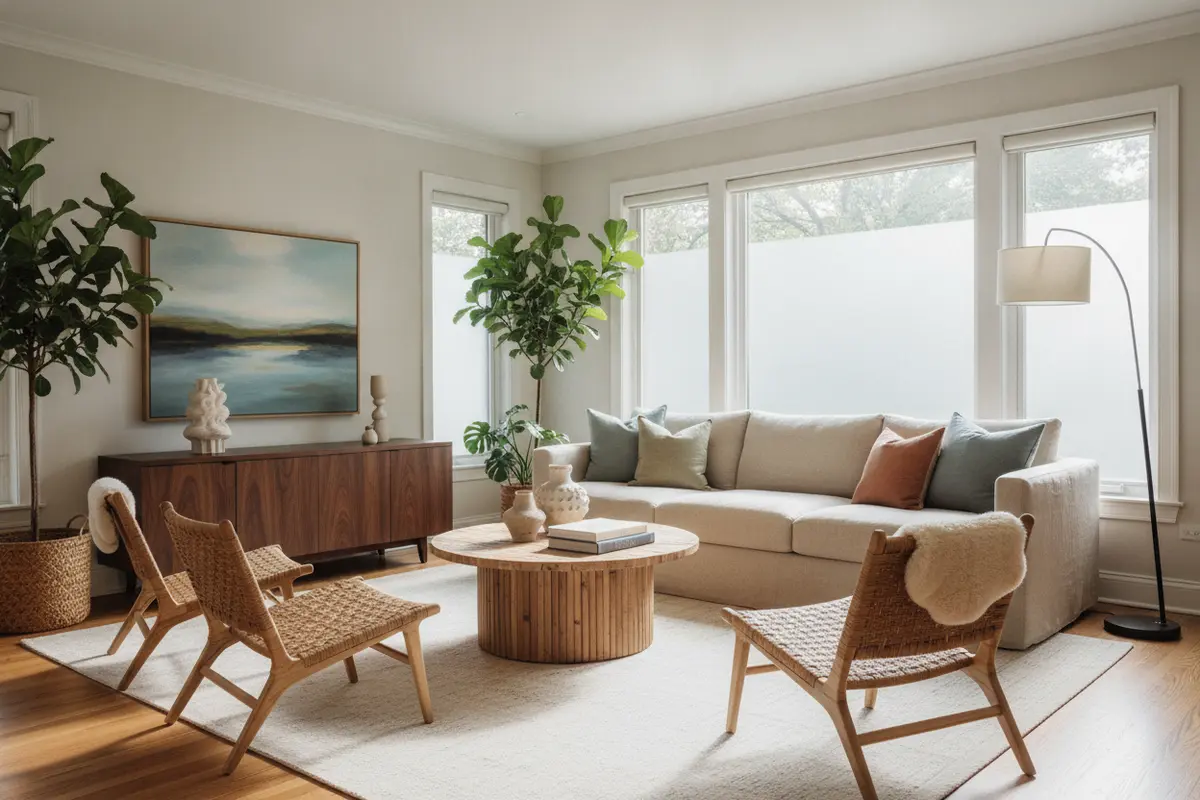
Answer: Some privacy films limit views through glass while allowing light into a room, but privacy depends on the film design and lighting conditions. A daytime appearance should not be assumed to provide the same privacy after dark.
Start with the view you want to obscure. Is the concern a street-facing bathroom window, a front entry sidelight, or a room visible from a neighboring property? Then consider whether you want a translucent appearance, a decorative pattern, or a stronger visual screen. The right choice depends on the view from both sides and on how much natural light you want.
Reflective or one-way privacy effects can change when indoor and outdoor lighting conditions change. When a room is brighter than the outdoors at night, the view may behave differently from what you see during daylight. For practical planning, consider curtains or shades where nighttime privacy is essential rather than assuming film alone will provide it in every condition.
Think through the view from the places that matter most. A bathroom window may need privacy throughout the day and evening, while a front room may need daytime screening but still benefit from an open view at night. A frosted or patterned film can obscure a direct sightline, while a reflective style has different visual effects that depend on lighting. Reviewing samples in the actual space can help you judge how a finish relates to the room, its daylight, and nearby exterior views.
Decorative film offers another way to obscure a view. It can add a patterned or frosted appearance to a window or glass partition without replacing the glass. For room-specific ideas, see this guide to decorative window film for homes and the overview of privacy window film options.
What safety benefits can safety and security film offer?
Answer: Safety and security films are designed to help hold glass fragments together if glass breaks. They can add a layer of glass-retention support, but they do not make a window unbreakable or guarantee that an opening cannot be breached.
Consider where broken glass would create a particular concern, such as a glazed door, a low window near a walkway, or a large pane in a busy part of the home. The best application depends on the glass, frame, and the level of protection you are seeking. Film type and installation details matter, so this is a different decision from choosing solar-control film for glare.
Ask what the selected film is intended to do and what it does not do. An honest recommendation should distinguish glass-retention benefits from stronger claims about intrusion prevention. Discuss whether the concern is accidental breakage, glass fragments, or a broader security question; those concerns may require different measures and should not be treated as interchangeable. Read more about safety window film for a home and the considerations in this guide to safety film for glass.
How do common residential film categories compare?
Answer: Match the category to the main job. Solar-control films focus on managing heat and glare; decorative and privacy films change appearance or visibility; safety and security films support glass retention. A consultation can clarify whether one goal or several should guide the selection.
| Film category | Primary goal | Useful questions | Important consideration |
|---|---|---|---|
| Solar control | Manage solar heat gain and glare; support UV protection | When does the room feel hot or glare become distracting? | Balance heat and glare control with daylight, view, and glass compatibility. |
| Decorative or privacy | Obscure views or change the look of glass | Which sightlines should be softened, and how much light should pass through? | Privacy can vary with lighting and the chosen film design. |
| Safety and security | Help hold broken glass together | Which panes or locations raise a glass-breakage concern? | Film does not make glass unbreakable or guarantee intrusion prevention. |
| Electric switchable | Change glass from clear to a privacy state when activated | Where is on-demand privacy important, and what controls are needed? | Review the application and project requirements with a professional. |
This comparison is a starting point, not a product specification. A film can have more than one useful characteristic, but the product’s intended performance should be confirmed for the application. For example, a room with strong afternoon sun and a street-facing window could have both comfort and privacy goals. The assessment should identify which need takes priority and whether separate treatments for separate panes would better preserve daylight and views. To see examples of project outcomes, browse the window film portfolio gallery.
One useful comparison is not simply which film looks darkest. Instead, compare the goal, the expected appearance, the desired amount of natural light, and the suitability for the glass. Ask the installer to explain any trade-offs in plain language. A choice that reduces reflections but changes the view more than you prefer may not be the best fit, just as a subtle-looking choice may not be ideal when obscuring a sightline is the main concern.
What should you check before choosing film for your windows?
Answer: Make a short room-by-room list of the problem, affected windows, desired result, and any glass or appearance concerns. This gives a professional installer the context needed to recommend film rather than guessing from a single concern.
- Name the main goal. Rank comfort, glare, UV protection, privacy, appearance, and glass-retention concerns. If there are several, note which matters most.
- Identify the windows. Record the room, approximate location, and when direct sunlight reaches the glass. Photos can help show the exposure and surrounding conditions.
- Describe the desired look. Decide whether you want a subtle appearance, a more noticeable reflective quality, or a decorative finish. Include how much daylight and outside visibility you hope to preserve.
- Discuss the existing glass. Tell the installer about the window type or any known coatings, repairs, or unusual construction. Professional evaluation can help determine suitable film choices.
- Ask about installation and care. Clarify what the professional installation involves, what the finished appearance should be, and what manufacturer-backed warranty applies to the proposed film.
You can make the list more useful with a simple room log. Write down the room, the affected window, the time the issue appears, and what you are doing when it bothers you. For instance: “Office, west window, glare on the laptop after lunch; would like to retain a clear view.” That is more actionable than “the office needs darker windows.” Add a photo if it shows a sightline or sun patch, but do not assume a photo alone can reveal the glass construction.
If several rooms have different needs, separate the requests rather than treating the entire home as one uniform project. You might want glare control in a workspace, more privacy in a bathroom, and a restrained appearance in the main living area. A professional can then explain whether different film selections make sense and whether each option suits the relevant glass.
Professional installation matters for a clean, consistent result and a factory-finished look. Sullivan’s Tinting is family-owned and operated and has served the region since 1988. Its consultative approach centers on free estimates and personalized recommendations. For background on the company, visit about Sullivan’s, or review the practical room-by-room window film selection guide.
How can you prepare for a free estimate?
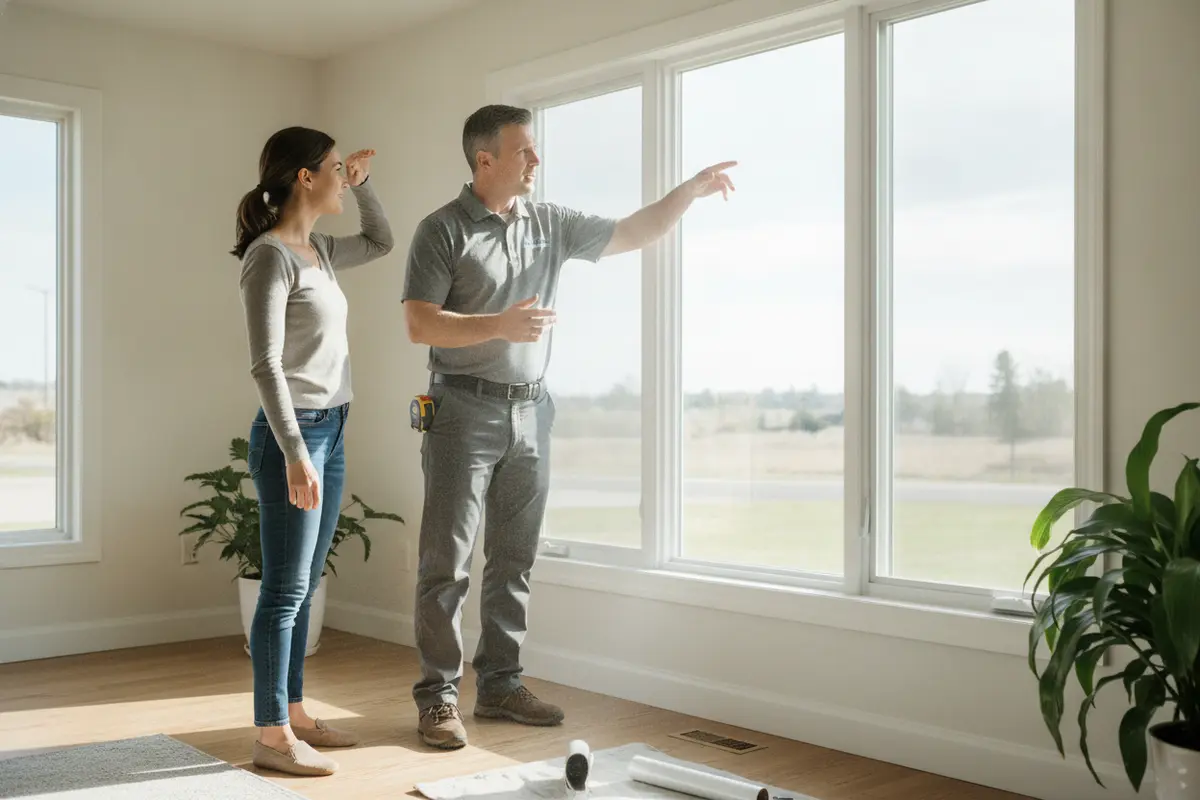
Answer: Share your priorities, affected rooms, timing of heat or glare, and preferred appearance. A useful estimate should connect those details with the windows and film options under consideration, rather than treating every window in the home as the same project.
Before the appointment, make a list of the rooms and windows you want to discuss. Note any windows that are especially important for privacy or comfort, whether the problem changes by time of day, and what you want to keep—such as daylight, an outdoor view, or a particular interior appearance. If you know the window type or have information about previous repairs or coatings, share it, but let the professional verify what matters for compatibility.
Use the conversation to understand the recommendation. Ask which problem each proposed film addresses, how the appearance may differ from the existing glass, and whether a different category would be more appropriate for a separate room. It is also useful to ask how installation will be planned, what care instructions apply, and which manufacturer-backed warranty covers the specific product. These questions clarify expectations without assuming every film or window behaves alike.
There is no published one-size-fits-all price for residential window film. Project cost depends on factors such as measurements, film type, complexity, and location. A free estimate is the right way to discuss the scope and receive a recommendation for your home. You can also read the company’s window film FAQs before starting the conversation, or use the contact page to reach the team.
Schedule a free estimate for your windows
Frequently asked questions
Will window film make every room darker?
No. Appearance and visible-light transmission vary by film. Explain how bright you want the room to feel and how much view you want to preserve so the recommendation can account for those preferences.
Can one film solve heat, glare, privacy, and safety concerns?
Not necessarily. Those goals may call for different film categories or different choices on different windows. An assessment can identify which concern should lead and whether the other goals can also be addressed.
Does window film stop all fading?
No. Film can block 99% of harmful UV rays, but UV is only one contributor to fading. Visible light, heat, materials, and exposure also matter, so avoid treating film as a guarantee that furnishings will never change.
Is privacy film private at night?
It depends on the film and the lighting on each side of the glass. A reflective effect that limits views in one lighting condition may not do so when indoor lighting is brighter. Use window coverings when dependable nighttime privacy is necessary.
Does safety film make a window unbreakable?
No. Safety and security film can help hold broken glass together, but it does not make glass unbreakable or guarantee that a window cannot be breached. Discuss the specific application and realistic limits with a professional.
Ready to choose residential window tinting for your home?
The best residential window tinting plan starts with the problem you want to solve and the windows where it occurs. Heat and glare, UV protection, privacy, appearance, and glass-retention concerns each point to different considerations. With professional evaluation and a personalized recommendation, you can choose film that fits your home and the way you use each room.
Request your free residential window film estimate
Sullivan’s Tinting can help you compare options and plan a professional installation with a factory-finished look for your Chicagoland home.