
Exterior window film is a film designed to be applied to the outside surface of glass. It can be worth considering when the location, glass construction, or access conditions make an exterior application appropriate, but it is not a universal upgrade for every window. The right choice depends on the glass, the film’s intended use, sun exposure, and the result you want—from UV protection to solar heat gain control.
What does exterior window film do?
Window film is a thin layer applied to glass to change how it handles light, heat, visibility, or protection. Exterior film is installed on the outside surface rather than the room-facing side. The exact benefits depend on the product. A solar-control film may help manage incoming solar energy and glare, while a product selected for UV protection is intended to reduce transmission of ultraviolet radiation. Decorative, privacy, and safety films serve different purposes and should not be treated as interchangeable.
Film is not a replacement for every window upgrade, and a film’s label alone does not establish how it will perform on a particular pane. Compare product information for the specific glass and the specific outcome you care about. Sullivan’s discusses residential and commercial options on its window film services page.
UV protection is one reason property owners ask about film. Ultraviolet radiation can contribute to fading and deterioration of furnishings over time, along with other factors such as visible light, heat, and the material itself. For general context on ultraviolet radiation, consult the U.S. Environmental Protection Agency. Film may reduce UV transmission, but the amount depends on the selected product and should be confirmed in its specifications. Some films block 99% of harmful UV rays; ask which product data applies to your windows rather than assuming every film has the same rating.
How is exterior film different from interior film?
Both types are intended to modify the way a window performs, but their placement means they face different conditions. Interior film is on the protected side of the glass. Exterior film is exposed to outdoor weather, cleaning, and other environmental stresses. This difference affects which products are suitable and what installation and care instructions apply.
| Consideration | Exterior-applied film | Interior-applied film |
|---|---|---|
| Placement | Applied to the outside surface of the glass | Applied to the room-facing surface |
| Exposure | Faces outdoor weather and exterior cleaning | Generally protected from direct outdoor exposure |
| Product choice | Must be rated or recommended for the intended exterior use | Must be compatible with the pane and intended application |
| Access and work planning | May require a safe plan for reaching the exterior glass | Requires access to the interior side and protection of nearby finishes |
| Key questions | Expected service life, maintenance, warranty, and exposure suitability | Glass compatibility, performance data, care, and warranty |
This comparison is a starting point, not a rule that one placement is always better. The glass assembly, frame, installation conditions, and product instructions matter. Ask the installer to explain why the proposed film is intended for that surface and how its performance and warranty apply to your exact windows.
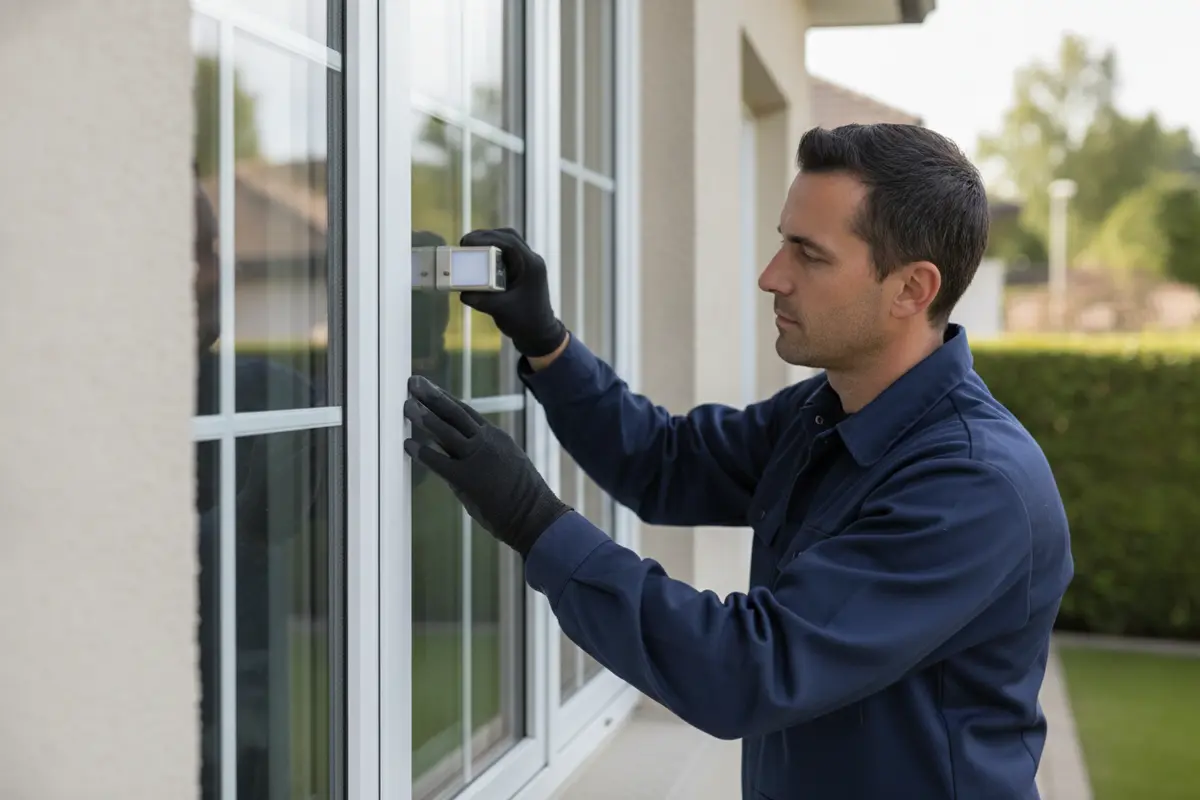
When might an exterior application be considered?
There are situations where an exterior product may be discussed, but the decision requires an assessment instead of a blanket recommendation.
- Access from indoors is difficult. A window configuration or interior finish may make interior work challenging. An exterior option could be considered if the product and conditions permit it.
- The glass has specific performance needs. Solar exposure, glare, and the requested level of heat rejection can shape the conversation. The installer should evaluate the glass and product data rather than infer suitability from the direction the window faces alone.
- The property has large or distinctive glazing. Tall, angled, or otherwise unusual windows may require additional planning for access, safety, and appearance.
- Exterior appearance is part of the goal. Some owners want a particular look from outside. Discuss how the selected product looks from both sides and at different times of day.
These examples do not mean exterior film is always the answer. A professional may recommend interior film, another product category, or no film for a particular pane. For homes, compare the purpose of each room and the type of glass; Sullivan’s overview of residential window film and its residential film guide can help you frame those questions. For a workplace, consider commercial heat-control needs along with comfort and glare.
How should you compare UV protection and heat control?
UV protection and solar heat gain control are related concerns, but they are not identical performance measures. A film can be selected to address ultraviolet transmission, visible glare, solar energy, or a combination. A dark-looking film is not automatically the best choice, and appearance alone does not tell you how much UV or heat it controls.
When comparing products, ask for specifications relevant to your priority. For UV protection, ask how much ultraviolet transmission the film is designed to reduce and whether the figure applies to the product being proposed. For heat control, ask what data describes solar performance and how the product balances heat rejection, visible light, and appearance. If glare is the main problem, describe where it occurs and when; if fading is the concern, identify furnishings or finishes near the glass. A measured discussion is more useful than choosing by shade name.
Consider how people use each space. A bright living room may need a different balance of light and heat control than a conference room with screens. If privacy is also important, say whether you need daytime screening, a decorative effect, or privacy at other times. Privacy behavior varies with lighting and product design. See the guide to privacy window film for homes for questions about that separate objective, and learn more about window film and UV protection.
What should an installer check before recommending film?
A sound recommendation begins with the actual window, not just a room description or a broad product category. The installer should understand the glass construction and intended use, review the pane and frame condition, and consider the surface where the film would go. For a proposed exterior application, discuss access and the conditions the film will face.
- Identify the glass. Share any available window documentation and point out whether panes are single, double, or otherwise constructed if you know. Do not guess if you are unsure; ask how the glass will be identified.
- Describe the problem. Explain whether you are addressing UV exposure, fading, heat, glare, privacy, or several concerns. Include the time of day and the rooms affected.
- Review the pane and frame. Note existing cracks, seal issues, prior film, unusual glazing, or other visible concerns. The installer can explain whether more information is needed before recommending a product.
- Confirm surface and product fit. Ask whether the film is intended for exterior or interior placement and how the product maker’s guidance applies to the glass assembly.
- Discuss appearance and maintenance. Review the view from indoors and outdoors, cleaning instructions, expected care, and any limitations.
- Get the proposal in writing. Confirm which film is proposed, where it will be applied, the goals it is intended to address, and what warranty applies.
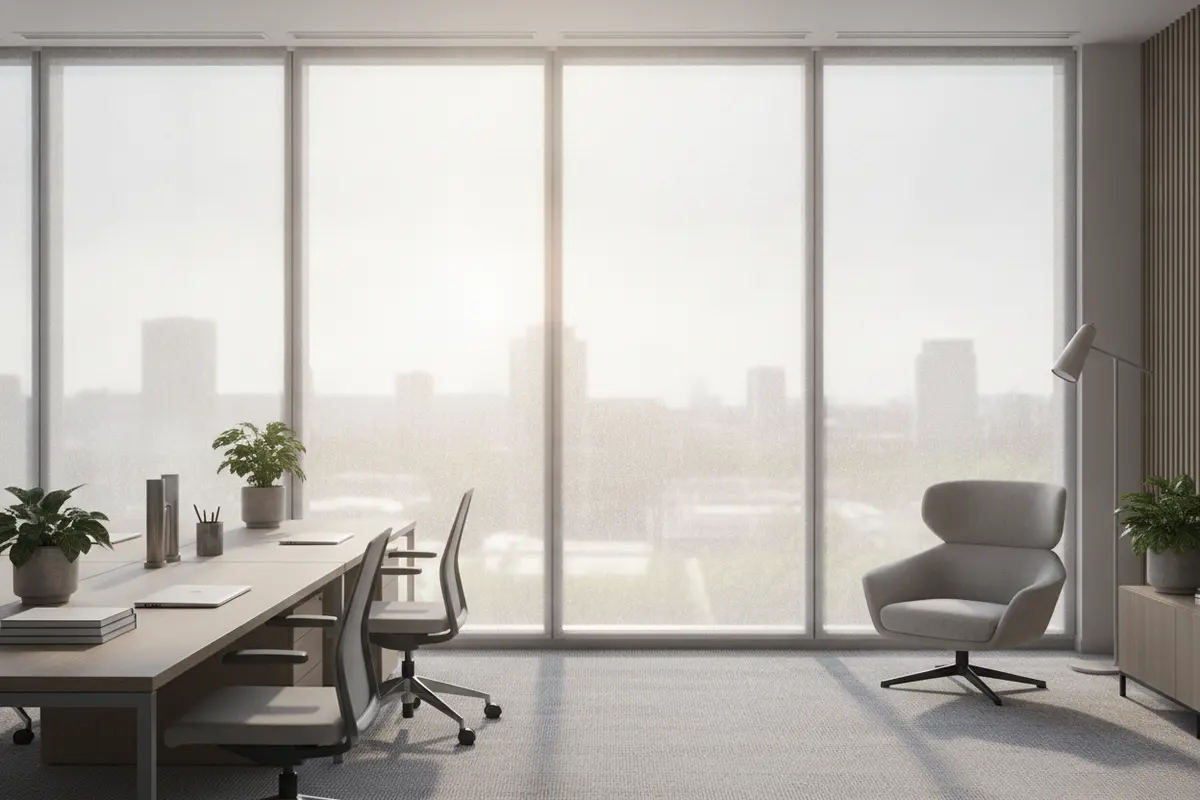
Good questions include: Is this product designed for exterior application? What glass information do you need to confirm compatibility? Which performance figures relate to my main concern? How will weather exposure affect care and expected service life? What does the warranty cover, and what exclusions should I understand? How will the final appearance differ from the current glass?
For more help preparing for a professional conversation, browse the company’s window film FAQs and its guidance on why professional installation matters. Sullivan’s is family-owned and operated and has served the area since 1988; its company background explains its consultative approach.
How can you prepare a room-by-room assessment?
A short inventory makes the consultation more useful, especially when several windows have different exposures or purposes. Walk through the property and record the rooms where you notice a problem. For each room, note the time of day when sunlight, heat, or glare is most noticeable, which surfaces or furnishings concern you, and whether people need a clear outward view. This turns a general request for “tinted windows” into a set of needs an installer can evaluate.
- Living spaces: Note seating areas, rugs, artwork, or other furnishings near bright windows, and whether maintaining daylight is important.
- Work areas: Identify screens, meeting spaces, or workstations affected by glare and describe when the issue occurs.
- Private rooms: Explain whether you want a decorative appearance, daytime screening, or a different privacy effect. These are distinct goals, and privacy changes with lighting conditions.
- Large or unusual panes: Flag high, angled, or hard-to-reach glass and any visible damage or existing film.
Then decide which outcome matters most in each space. If the goal is UV protection, ask how the proposed product limits UV transmission. If comfort in direct sun is the concern, ask about solar heat gain control and glare. If appearance or privacy leads the decision, discuss how the window will look from each side and at different times of day. Ranking priorities helps clarify trade-offs when no single product is ideal for every objective.
Do not assume every window in a building needs the same product or application surface. A professional may find that some panes have different glass construction, exposure, access, or use. A room-by-room plan can also help define the project scope: which windows are priorities now, which can be evaluated later, and what information is needed before a recommendation is made. Keep the notes simple; the purpose is to make your concerns and expectations clear, not to diagnose the glass yourself.
What changes when a film is applied outside?
Outdoor exposure is a practical part of product selection, not a minor detail. Sun, rain, temperature changes, airborne dirt, and exterior cleaning all affect the conditions the film faces. The product must be intended for the proposed surface, and its care instructions should fit how the building is maintained. Ask the installer to explain the manufacturer’s guidance for the exact product rather than assuming that any film can be placed on either side of glass.
Access also shapes the work plan. Ground-level windows and upper-story glazing do not present the same working conditions. Landscaping, awnings, screens, nearby structures, or limited space may affect how a professional reaches and prepares a pane. A project may require different planning from one window to another, even in the same building. Mention obstacles when arranging an assessment so the scope can be considered accurately.
Appearance deserves a careful review, too. A film may change reflectivity, color, or the way a window looks from indoors and outdoors. The effect can vary with daylight, interior lighting, and viewing angle. Ask to review product samples or other available product information, and be specific about whether you want to preserve a clear view, soften glare, or change the exterior appearance. A sample viewed in one lighting condition cannot reproduce every effect on a full window, so use it as a reference rather than a guarantee.
Finally, distinguish the performance goal from the installation method. If the central problem is fading, ask about UV specifications. If an area feels hot in direct sun, discuss solar heat gain control. If people need screening, compare privacy products separately. One film may address more than one concern, but the proposed solution should explain which outcomes it is designed to address and any trade-offs. For example, reflectivity, tint, visible light, and privacy are separate considerations; a single description such as “sun control” does not answer all of them.
Those details help keep expectations realistic. Film is applied to glass, so it does not repair a drafty frame or replace a damaged window. It also does not make every pane identical or remove the need to follow product care guidance. If the main issue is a mechanical window or frame problem, describe it during the assessment and ask whether it needs attention before film is considered.
What affects the project plan and estimate?
There is no single price or schedule that fits every exterior film project. The estimate depends on the number and size of panes, the film selected, the complexity of the glass and frames, access requirements, and the project’s location. Exterior access can affect planning, especially where windows are high, obstructed, or difficult to reach safely. A professional assessment is the appropriate way to determine scope.
Before requesting an estimate, make a short list of the windows and the problem at each one. Photos can help start a conversation, but they do not replace a close assessment of glass compatibility and access. Note any window labels or construction documents you have, whether film is already present, and what outcome matters most. If the project is for a business, include operating hours or areas where work coordination matters.
Ask the proposal to distinguish the film type and application surface, identify the windows included, explain the goal, and state what warranty information applies. Sullivan’s provides free estimates and personalized recommendations; an estimate can help clarify whether an exterior or another approach makes sense for your glass.
How can you decide whether exterior film fits?
Start with the problem rather than the installation surface. If the priority is UV protection, compare product specifications and confirm the relevant rating. If the issue is heat or glare, discuss solar heat gain control and the desired balance of light. If privacy or glass protection is the goal, ask about the film category designed for that purpose rather than assuming a solar film will meet it.
Next, ask a qualified installer to evaluate the glass, determine whether exterior application is suitable, and explain the trade-offs in product choice, access, care, and warranty. Exterior window film can be a useful option for some conditions, but the best result comes from matching a product to the actual pane and the reason you want film. The goal is a clear recommendation and a professional, factory-finished look—not a one-size-fits-all answer.
Get a free estimate for your windows
Frequently asked questions
Does exterior window film block UV rays?
Some window films are designed to reduce ultraviolet transmission, but performance differs by product. Ask for the specifications for the film proposed for your windows and confirm how the stated UV performance is measured.
Is exterior film better than interior film?
Neither placement is automatically better. The appropriate option depends on the glass, product design, exposure, access, and project goals. An installer should explain why a film is suited to the proposed surface.
Can exterior film also reduce heat and glare?
Some products are designed for solar heat gain control and glare reduction, but those benefits depend on the film and the window. Compare relevant product data and discuss how the change may affect visible light and appearance.
How long does exterior film last?
Service life depends on the product, installation conditions, exposure, and maintenance. Ask for product-specific expectations and warranty terms rather than relying on a general lifespan figure. See the overview of how long window film lasts for related considerations.
Ready to discuss your windows?
Share your goals and window details so a professional can assess whether exterior film or another window film option is the right fit.