
Window tinting is often discussed as if every film does the same job. For homes and businesses, the right architectural window film depends on whether the priority is solar heat gain control, glare, privacy, appearance, or glass protection. Understanding those differences makes it easier to choose a solution that fits the space without guessing at darkness or performance.
Request a no-obligation free estimate
What does window tinting mean for a home or business?
In this guide, window tinting means professionally installed architectural window film applied to existing building glass. It is not one product or one shade. Films are made for different purposes, and two films that look similar may behave differently in sunlight, provide different levels of privacy, or suit different types of glass.
Window film can be a practical upgrade when a room is too bright or warm, when interior furnishings need UV protection, or when a glass partition needs a more finished appearance. Some products are designed to control solar heat gain; others add privacy, decorative detail, or a layer that helps hold glass together if it breaks. The intended use should guide the selection.
Film is not a replacement for every window problem. It does not repair a failed window seal, correct a draft caused by damaged frames, or make every pane appropriate for every film. A professional assessment considers the glass, the room, the direction of sunlight, and the result you want. Sullivan’s has served Chicagoland and select Wisconsin markets since 1988 as a family-owned and operated window film company. You can learn about its family-owned approach and experience before planning a project.
Which type of window film addresses your main concern?
Start by naming the problem you want to solve. The clearest way to compare options is to match the film category to the result you need. Then check how that choice affects light, appearance, and the glass itself.
| Film category | Common goal | What to consider |
|---|---|---|
| Solar-control | Manage solar heat gain, glare, and UV exposure | Performance and appearance vary by product; review the specific glass and desired daylight. |
| Privacy | Limit views into a room or create separation | Privacy depends on film design and lighting conditions; no one-way effect should be assumed in every situation. |
| Decorative | Add pattern, opacity, or a refined glass appearance | Choose the level of coverage and design that suit the room and preserve the desired light. |
| Safety and security | Help hold broken glass together and strengthen a glazing assembly | Film is not unbreakable glass; the product and installation must match the intended application. |
Solar-control film
Solar-control films are considered when sunlight contributes to excess heat, glare, or fading concerns. They manage solar heat gain through the glass, but individual products differ in visible appearance and performance. A darker look is not a reliable way to judge how a film will perform. Ask which film characteristics address the actual exposure and whether the recommended appearance is suitable for each room.
Some households want less afternoon glare in a living room; a business may be concerned about sun on work areas or customer-facing spaces. Those are different situations, even if both involve bright windows. Compare the recommendation with the room’s use, the hours when sunlight is strongest, and the amount of natural light you want to retain. See Sullivan’s information on residential films for heat reduction for another overview of how film choices can vary.
Privacy and decorative film
Privacy film is useful when you want to soften views through glass, while decorative film can add visual interest, separation, or a finished design. These categories can overlap, but they do not all provide identical privacy. A frosted appearance, a patterned design, and a solar-reflective product each create a different effect.
Consider the viewpoint from both sides of the window, the room’s lighting at different times, and whether you need privacy all day or only in a particular area. Do not assume that a reflective film always prevents people outside from seeing in. Lighting conditions can change the appearance and privacy effect. A detailed explanation of privacy film choices for homes can help you frame those questions.
Decorative film may suit a bathroom window, interior glass divider, meeting room, or storefront where clear glass feels too exposed. Patterns and coverage can be selected to define a space without replacing the glass. Explore decorative film applications for a home and office privacy and design options for examples of how the setting changes the decision.
Safety and security film
Safety and security films are selected for a different reason than solar-control or decorative films. They are designed to help hold glass together if it breaks and may make entry more difficult, depending on the film, glass, frame, and installation. They do not make glass unbreakable, and they should not be described as a substitute for a complete security plan.
Think about the type of glass, the location, and the risk the project is intended to address. A film suited to a home window may not be the appropriate specification for a commercial entry. For a more focused overview, read the guide to safety film for glass. Ask the installer to explain what the selected product is designed to do and what it cannot do.

How do you choose a film without making the room too dark?
Begin with the room’s purpose, not a shade name. A film that works well in a sun-exposed room may not be the right choice for a space where daylight is central to the experience. Set priorities in order: for example, reduce glare first, retain a bright appearance second, and add privacy only where needed.
- Describe the problem. Note whether the issue is heat, glare on screens, lack of privacy, fading concerns, or the appearance of exposed glass.
- Track when it happens. Record which windows receive direct sunlight and when the discomfort is most noticeable.
- Identify the desired look. Decide whether the film should be barely noticeable, visibly patterned, frosted, or more reflective.
- Consider the room’s use. A bedroom, conference room, retail frontage, and living room can have different needs.
- Review samples in the space. Where available, assess how a proposed film looks against the actual glass and interior rather than relying only on a description.
Also think about how the windows relate to one another. A home may have a bright front room, a shaded side elevation, and a private bathroom window. Applying the same-looking product everywhere may not meet each room’s needs. In a business, a consistent exterior appearance may matter, even when interior uses differ. Tell the installer where a uniform look is important and where function should take priority. A recommendation can then weigh performance and appearance across the project instead of judging a single pane in isolation.
Light preferences are personal, so be precise about what “not too dark” means to you. You may want to retain a clear view outdoors, reduce reflections on a screen, or make direct sunlight less distracting. Those are not identical goals. Ask how the film changes the view from inside and its appearance from outside. Reviewing the options against your own priorities can prevent choosing a product based only on a generic tint description.
Films vary in visible light transmission, reflectivity, and solar performance. Those characteristics are product-specific. A professional recommendation should explain the tradeoffs in plain language rather than treating darkness as a proxy for heat rejection. The goal is an appropriate film for the window and a factory-finished look that suits the building.
UV protection is another factor. Sullivan’s describes its window film offering as blocking up to 99% of harmful UV rays, but the exact product and its specifications matter. UV protection can help limit one contributor to fading; it cannot stop all fading, since light, heat, materials, and time also play a role. Review how window film and UV protection are discussed and ask which specification applies to the film under consideration.
What should you check about your glass before choosing film?
Not every film is appropriate for every pane. Glass type, size, condition, existing coatings, and the way a window is constructed can affect which film is suitable. Applying an incompatible product may create unwanted stress or an appearance problem. This is why glass assessment belongs in the planning process, not as an afterthought.
Before a recommendation is finalized, point out anything you know about the windows: older replacements, unusual glazing, existing film, damage, or previous repairs. If the project involves multiple window types, do not assume that one selection should go everywhere. A professional installer can identify differences that are easy to overlook and explain whether separate specifications are needed.
For a business, note which panes are near customer areas, computer screens, workstations, or exterior doors. For a home, consider large picture windows, rooms with changing light, and spaces where privacy is important. If your project involves large panes, the guide to film for large living-room windows discusses why window scale and room use matter.
General building-energy information is available from the U.S. Department of Energy at its official website. Use product-specific documentation and an on-site or project-specific assessment for decisions about a particular window; broad energy guidance cannot establish which film is compatible with your glass.
What does professional installation involve?
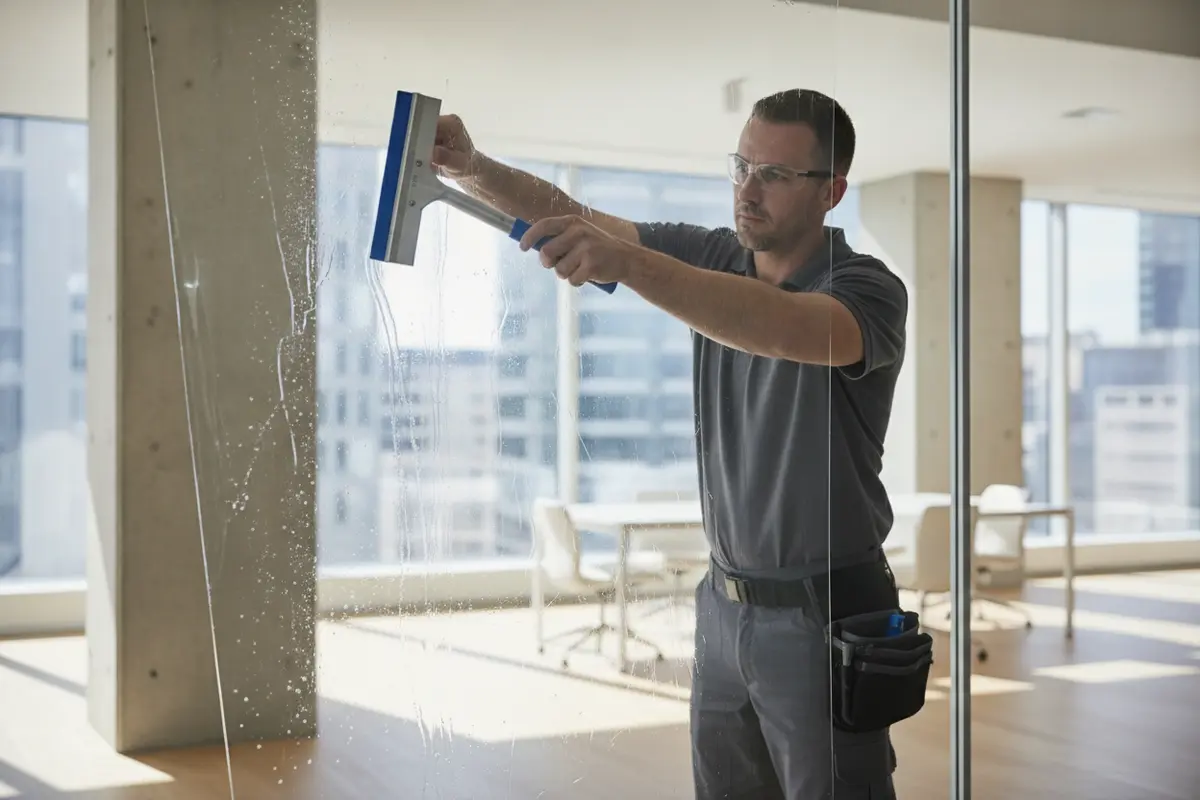
Professional installation is more than placing a sheet on glass. The installer needs to assess the application, select a compatible product, prepare the glass, fit the film accurately, and apply it with care. The aim is an even finish without distracting edges, trapped debris, or visible imperfections.
- Discuss the goals. Explain what you want to improve and which rooms or windows are involved.
- Assess the windows. Review glass conditions, dimensions, access, and relevant details that could affect product suitability.
- Compare recommendations. Ask what each proposed film is designed to do, what it will look like, and what tradeoffs to expect.
- Prepare the area. Confirm access to the windows and any practical arrangements needed for installation.
- Install and review. A professional installer applies the film and explains product-specific care and warranty information.
Installation timing and access depend on the number and type of windows and the complexity of the project. Commercial work may require coordination around staff, customers, or operating hours. Discuss those details in advance so the plan fits the building’s routine. Sullivan’s offers residential and commercial services, and its window film services overview can help you identify the right conversation to have.
Ask what manufacturer-backed warranty applies to the film being proposed and what it covers. Most film products have manufacturer-backed warranties, but coverage is not identical for every product or installation. Get the relevant terms in writing, including any care instructions and steps to take if you notice an issue. You can also review questions about commercial film warranties before a business project.
How should homeowners and businesses prepare for a free estimate?
A useful estimate starts with clear information about the space and your priorities. You do not need to know the technical name of a film before asking for help. A few observations can make the discussion more specific and help the installer recommend options that match the project.
- List the rooms, elevations, or storefront areas you want assessed.
- Describe the main concern for each area, such as glare, solar heat gain, privacy, appearance, or glass protection.
- Note the time of day when sunlight or discomfort is most noticeable.
- Share your preference for a clear, neutral, reflective, frosted, or patterned appearance.
- Flag existing film, damaged glass, unusual windows, or access constraints.
- Ask about product performance, compatibility, installation, warranty coverage, and care.
There is no published one-size-fits-all price for a film project. The estimate is custom because measurements, film type, complexity, and location affect the scope. Rather than relying on a generic figure, request a project-specific recommendation and compare what each option includes. Sullivan’s serves communities across Chicagoland and select Wisconsin markets; check the service-area information if you are unsure whether your property is covered.
When comparing options, make sure you are comparing like with like. One proposal may focus on privacy, while another specifies solar control or safety performance. Ask each installer to explain the intended result, product details, installation plan, and warranty. This makes it easier to judge fit, rather than choosing on appearance or an incomplete description alone.
For a home, you might group windows by how the family uses each room. A bedroom may call for more privacy, while a sunny living area may need better glare control without losing the open feel. A bathroom or glass divider may benefit from a decorative finish. Grouping windows by purpose can reveal that a single film is not the best answer for the whole property.
For a business, consider how the glass affects daily operations. Glare on screens, visibility into a meeting room, sun exposure at a customer counter, and the appearance of a storefront are separate concerns. Identify which ones matter most and whether work can be scheduled around installation. Clear project priorities help an installer explain whether one film category or a combination of recommendations is appropriate.
Ask for details that let you understand the proposal: the product name or specification, the panes included, the intended benefit, expected visual appearance, and any warranty terms. If an explanation relies only on a broad label such as “heat-blocking” or “privacy,” ask what that means for your glass and how the result will look. A clear answer should connect the chosen film to the room’s needs without promising that every window will perform identically.
Get a personalized free estimate for your windows
Frequently asked questions
Does window tinting always make windows look dark?
No. Architectural window films come in different appearances and performance levels. Some are designed to be subtle, while privacy or decorative products may be more visible. Ask to review the specific product and its appearance for your glass before deciding.
Can one film solve heat, privacy, and glass protection at the same time?
Not necessarily. Film categories are designed for different purposes, and a product focused on one goal may not provide the same result as a product designed for another. Explain all of your priorities during the assessment so the recommendation can address the tradeoffs rather than assume one film does everything.
Will privacy film keep people from seeing inside at every hour?
Privacy depends on the film design and the relative lighting on each side of the glass. Reflective appearances can change with lighting, so they should not be treated as guaranteed one-way privacy. If privacy is essential, discuss the room’s use and conditions at different times of day.
Does safety film make glass unbreakable?
No. Safety and security films may help hold broken glass together or strengthen a glazing assembly, but they do not make the glass unbreakable. Ask what the selected system is intended to do and whether it matches the concern you want to address.
How do I know whether a film is right for my windows?
Compatibility depends on the product and the specific glass. Have the windows assessed, share details about existing conditions, and ask for an explanation of the recommendation. A product should be selected for both its intended performance and suitability for the glass.
Ready to choose window film for your property?
The best result begins with the windows and the people who use the space. Identify your priorities, compare film categories, and ask for a recommendation that explains appearance, compatibility, installation, and warranty terms. Sullivan’s Tinting provides a consultative process and free estimates for residential and commercial projects in its service area.
Request your free window film estimate
With the right product and professional installation, window film can be a considered upgrade to comfort, privacy, appearance, or glass protection.